Brewing Freshness
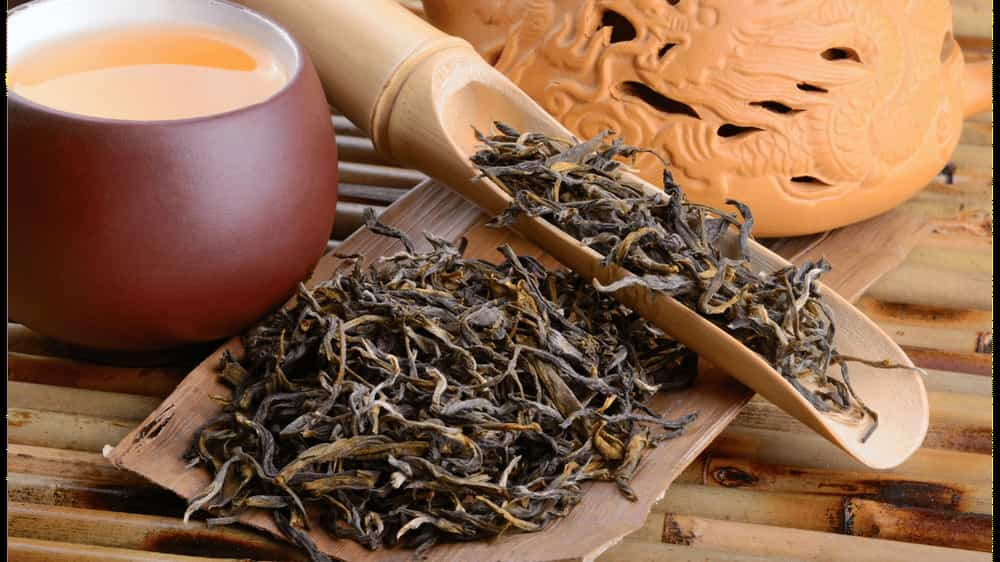
Tea is more than a comforting daily ritual—it’s a bridge between nature, heritage and wellness. At Askbasket, we honour that legacy through pure, handmade, luxury teas crafted from organic leaves rooted in India’s soil. When you choose ASKBASKET, you choose wellness, heritage and harmony.
In this article, you will discover why choosing organic tea matters, the scientifically supported health benefits of high-quality tea, how our products deliver on those promises, how we compare with other brands, how to integrate premium organic tea into your lifestyle, and why purify of leaf and practice are so important.
Organic tea is grown without synthetic fertilizers or pesticides, with adherence to standards that protect soil, biodiversity and human health. According to research by The Organic Center, organic tea production allows for reduces chemical residues, higher antioxidant levels, and better worker health and safety compared to conventional tea. (ota.com)
The team “pure” refers to leaves that are minimally processed, whole or large-leaf, free of dust, fragments or poor grade remnants. These retain greater aroma, higher bioactive compounds, and deliver the experience of tea in the most honest form. When combined with organic cultivation, you get a product aligned with wellness, taste and integrity.
Thus, for the true health benefits, choosing organic +pure tea leaf + handmade processing is key – and that’s promise behind ASKBASKET.
Here are some of the most robust areas of research on tea—particularly relevant when the tea is organically grown and minimally processed.
Tea contains polyphenols - plant compounds that help reduce oxidative stress and inflammation. For example, a chapter in the NCBI Bookshelf indicates that tea consumption may support protection against chronic diseases through antioxidant and anti-inflammatory meps mechanisms. (NCBI)
Observation: Organic tea may have higher antioxidant content because of cultivation practices that improve soil health and plant stress responses.
Large-scale observational studies shows that consuming (2-3 cups daily) is associated with reduced risk of heart disease, stroke and type-2 diabetes. According to the Harvard T.H. Chan School Nutrition Source: “Tea consumption of 2-3 cups daily is associated with reduce risk of premature death, heart disease, stroke, and type-2 diabetes.” (The Nutrition Source)
A review on green tea found positive effects on weight, lipid metabolism and fat oxidation. (PubMedCentral)
Regular tea consumption may support mental alertness, memory, mood and cognitive aging. For example, research shows green tea’s catechins and L-theanine may improve attension and cognitive function. (Heathline)
Choosing organic tea contributes additional health value. Chemical used in conventional tea cultivation may contribute to residues in the final brew. The Organic center notes that organic tea allows consumers to avoid dietary exposure to harmful pesticides and heavy metals. (ota.com)
While benefits are promising, the evidence is not a cure-all. Harvard notes that randomized controlled trails are still needed to firmly establish causation. (Harvard Public Health)
· Organic & Chemical-Free Sourcing: We partner with gardens that follow strict organic protocols—no synthetic pesticides /fertilizers, soil health, focus, biodiversity support.
· Pure Tea Leaf Quality: Large-leaf, whole leaf, carefully processing to retain aroma and bio-activities.
· Handmade Craft & Tiered Offerings: From regular to premium to Traditional to Luxury, each line is crafted thoughtfully.
· Sustainability & Heritage: Roots in India’s soil, ethical farmer partnerships, traceability and elegant presentation.
This sets up part because many brands may claim “premium tea” but compromise on one or more pillars (organic, leaf integrity, craft, packaging, transparency).
In marketplace full of “premium teas,” here is how ASKBASKET differentiates:
· Some brands use conventional leaves (non-organic) while charging premium prices.
· Some offer attractive packaging but source low-grade leaves with heavy processing, reducing health value.
· Others may claim artisan craft but lack transparency on origin or processing or skim sustainable practices.
In contrast, ASKBASKET aligns all five pillars of wellness tea: organic science, pure leaves, handmade craft, premium presentation, transparent sourcing. For consumers seeking true—not just marketing—this matters deeply.
· Aim for 2-3 cups per day (observational data links to reduce risks) but adjust to your caffeine tolerance.
· Use water at appropriate temperature: Many green teas benefit from ~75-85° instead of full boil, to preserve bio-active compounds.
· Choose high-quality brews (loose-leaf organic, handmade).
· Re-use brewed leaves for second infusion (especially if they’re high-grade) to extraxt more value.
· Store tea properly: in airtight, dry, dark containers aways from strong odours and moisture—especially for premium categories.
· Pair your tea with mindful moments: calm focus, digestive support, or part of a wellness ritual—not just caffeine fix.
· Explore our "Organic Green Tea”
· Read about the "Health Benefits of Organic Green Tea”
· Discover our "Handmade and Luxury Masala Tea”
· Learn about our Sustainable Organic Farming Practices”
· Why handmade Tea Defines Luxury and Tradition
· Pure Tea Leaves—What it means & Why it Matters
· “Tea and Health: Studies in Humans.”PMC. (PubMedCentral)
· “Beneficial effects of green tea: A literature review.”PMC. (PubMedCentral)
· “Tea-The Nutrition Source.” Harvard T.H. Chan School. (The Nutrition Source)
· “Why Choosing Organic Tea Is Essential.” Organic Voicer. (organicvoices.org)
· “Health benefits of Tea.” Academy of Nutrition and Dietetics. (Eat Right)