Brewing Freshness
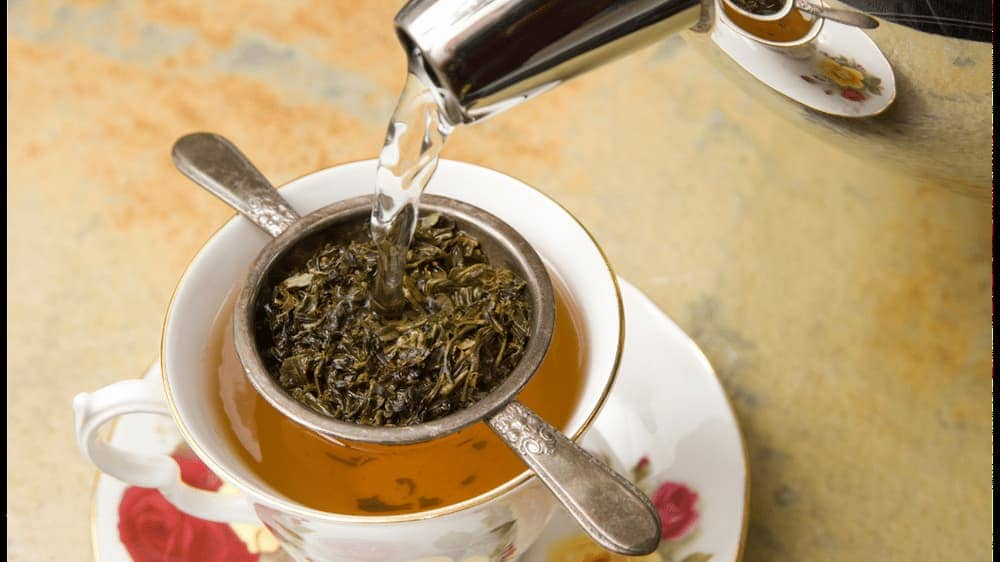
Brewing loose leaf tea is both an art and a science. When done right, it brings out the full fragrance, flavor, and health benefits of organic, handmade, chemical-free tea leaves. Below is a step-by-step guide to elevating every cup-from green tea, white tea, oolong tea to orthodox black and even pink tea.
Start with pure tea leaves - ideally organic, certified, and freshly harvested. Whether you’re sipping green tea, white tea, oolong tea, orthodox black tea, pink tea, or a handmade CTC tea, the quality of leaves is the foundation of a great brew. Premium loose leaf teas have larger leaf sizes (not dust or fannings), skillfully processed to retain aroma and antioxidants.
A typical rule:2 grams of leaf per 100 ml water (~1 teaspoon for 200—250 ml). This aligns with ISO 3130’s standard for sensory tea brewing. Wikipedia
If the leaves are very large, you may increase slightly; for delicate teas, use a level teaspoon.
Overloading tea leaves can lead to over-extraction and bitterness. Underloading weakness flavor.
Your water is second “ingredient.” Use clean, filtered, or spring water; avoid water that’s been reboiled several times, as it loses dissolved oxygen and flattens flavor. High mineral water (very hard) can interfere with extraction, so moderate mineral content is ideal. Wikipedia+1
Pre-warm your teapot or cup by rinsing with hot water, which helps maintain steeping temperature.
Different tea types required different temperatures to extract flavor optimally without bitterness:
Ideal Water Temperature & Steeping Time for Each Tea Type
Use water slightly below boiling. Too hot water can scorch delicate green leaves, creating bitterness. Gentle heat preserves its light, grassy flavor and antioxidant profile.
White tea is the most delicate variety. Use warm –not boiling—water and allow a slightly longer steep. This gentle extraction keeps its floral aroma intact and enhances its subtle sweetness.
Oolong is semi-oxidized and thrives with moderately hot water. This temperature range allows the complex layers of flavor---floral, fruity, and roasted---to fully develop without turning astringent.
Use near boiling water for full boiled black teas. The high temperature extracts strength, depth, and richness, ideal for traditional Assam teas and handmade CTC blends. (Source: Wikipedia –Standard tea brewing practices)
Herbal and pink teas require a boil for proper flavor extraction. Longer sleeping helps draw out essential oils, antioxidants, and the natural pigments that give pink their variant color.
Note: A recent study on tea brewing shows that polyphenol extraction (antioxidants) doesn’t differ much between 3-5 minute infusions at proper temperatures. PMC
· Once water is at correct temp, pour over leaves ensuring full submersion.
· Cover the pot or cup to trap aroma and heat.
· Avoid oversteeping: delicate teas (green, white) become bitter if left too long; black teas can turn astringent.
· Use fine mesh strainer or infuser to separate leaves at the end of steeping.
Tip: Many luxury tea drinkers re-steep good quality teas 2-3 times. The flavor evolves with each infusion.
Pour into warmed cups. Avoid squeezing leaves through the strainer (can increase bitterness). For black or orthodox teas, you may add milk or sugar lightly—though with fine, chemical-free premium teas, many prefer to drink them plain, savoring their natural complexity.
For pink or floral teas, lemon, light honey, or petals make tasteful subtle enhancements.
· Use teaware that gives leaves space to unfurl--cramped infusers restrict flavor release.
· Don’t use boiling water for delicate teas (green, white).
· Always rinse, pre-warm, and decant promptly.
· Store your loose leaf tea in a airtight, light-blocking container away from heat, moisture, and odors.
The way you brew affects how much of the beneficial compounds (polyphenols, catechins, theanine) you extract. Overheating or oversteeping can degrade these compounds. PMC
Also, brewing tea may help reduce heavy metal exposure: a recent study suggests that tea leaves adsorb metal ions (like lead, cadmium) from water during brewing, thus filtering some contaminants out. Health+1
That said; don’t rely on tea as a water filter—its primary role is flavor and wellness.
Brewing loose leaf tea is a mindful ritual that rewards patients, quality leaves, and precision. Whether you prefer vibrant green tea, rich orthodox black tea, delicate white tea, or artistic pink tea, the steps above ensure you get the best aroma, flavor, and health potential out of every cup.
At ASKBASKET, we source only premium, chemical-free, handmade teas and provide detailed brew guides for each product. Explore our handcrafted tea collection and brew your perfect cup today.
Wikipedia https://en.wikipedia .org/wiki/ISO_3103
Wikipedia https://en.wikipedia.org/wiki/Gongfu_tea
Wikipedia https://en.wikipedia.org/wiki/Black_tea
PMC https://pmc.ncbi.nlm.nih.gov/articles/PMC8400668
PMC https://pmc.ncbi.nlm.nih.gov/articles/PMC3821942
Health https://www.health.com/about-us-8415145
NASA https://ntrs.nasa.gov/citations/20230013697
Stack Exchange https://cooking.stackexchange.com