Brewing Freshness
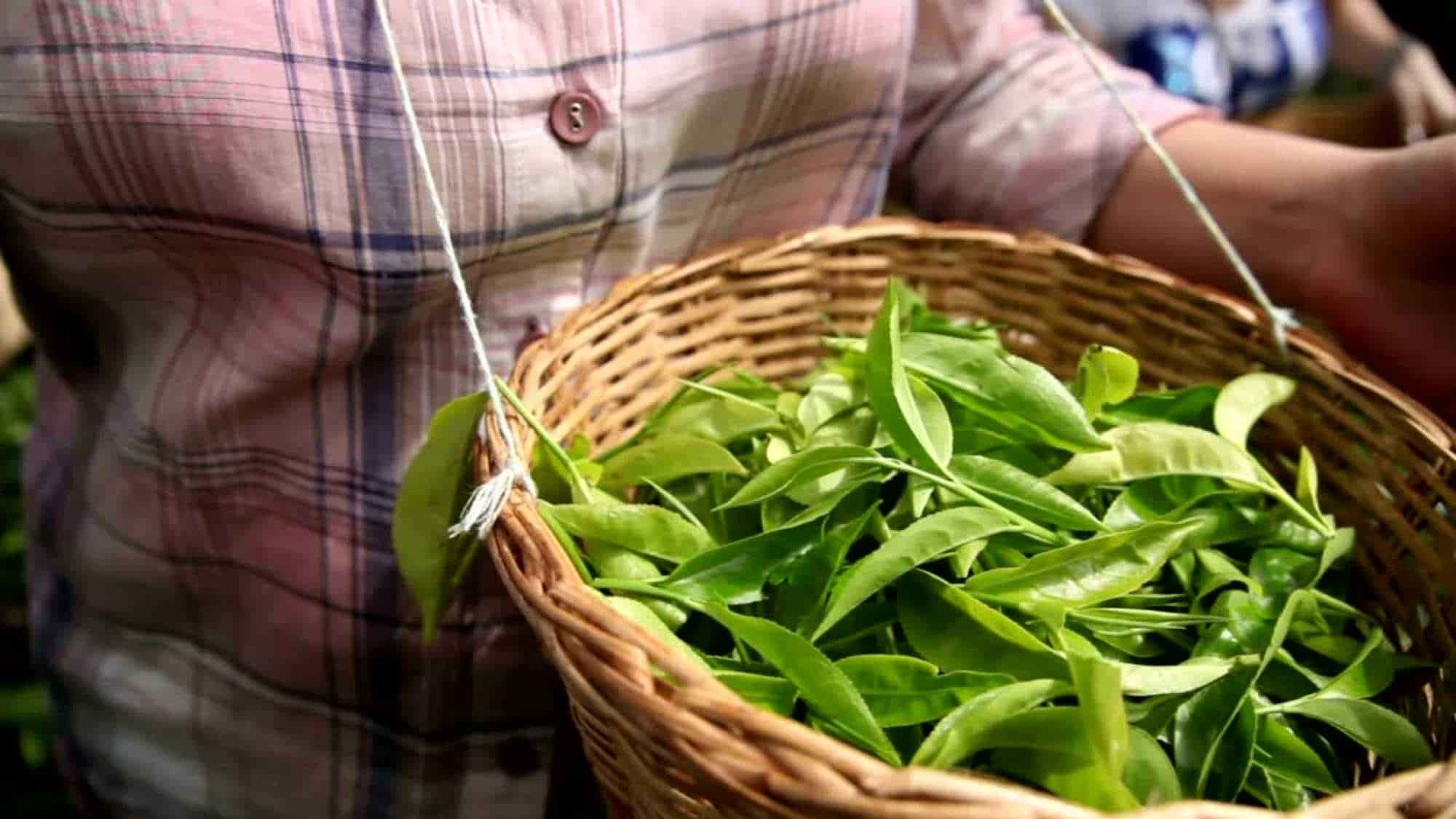
When we say chemical-free tea, we mean leaves grown without synthetic fertilizers, herbicides, or pesticides—tea as nature intended. This isn’t a marketing gimmick but a commitment to purity, health and sustainability.
Tea plants are harvested repeatedly across seasons, making them vulnerable to repeated chemical applications. Over time, residues can accumulate in leaves, soil, and water, posing risks to consumers and ecosystems. Reviews of pesticide residues in commercial tea indicate that many samples exceed safe limits or contain unapproved chemicals. (Organochlorine pesticide residues in tea and their potential…)
By contrast, chemical-free tea is produced that prohibit synthetic agrochemicals. This ensures safer cups and healthier soils.
Tea samples tested across studies often reveal pesticide residues, sometimes exceeding regulatory limits—especially in conventional blends. (The bitter side of teas: Pesticide residues and their impact)
Going chemical-free minimizes this exposure and supports consumer safety.
Chemical stress on plants can degrade delicate compounds like amino acids, polyphnols, and essential oils. Research comparing organic vs conventional tea shows that organic teas often have higher levels of free amino acids like theanine, which contributes to umami taste and relaxation benefits. (Quality analysis and characteristic difference identification…)
Tea’s polyphenols (catechins, flavonoids) are well-researched for antioxidant, anti-inflammatory, and cardiovascular support roles. (Biological potential and mechanisms of Tea’s bioactive compounds)
By avoiding chemical interference, chemical-free tea lets these compounds shine.
Tea consumption is linked with improved cholesterol profiles, reduced risk of heart disease, better metabolic health, and even cancer protective effects—espicially when leaves remain uncontaminated. (A Review of the Health Benefits of Tea)
While “organic” and “chemical-free” are often used interchangeably, they have key differences:
· Organic: Certified agricultural systems that restrict or prohibit synthetic inputs; allows only approved substances.
· Chemical-Free: Implies zero synthetic use—not just compliance with lists.
True chemical-free tea demands rigorous oversight, lab testing, and traceability beyond standard organic protocols.
We only source from estates committed to no-synthetic input cultivation, with soil and leaf testing to confirm residual-free yields.
Every batch undergoes testing to ensure chemical residues (if any) are well within permissible thresholds—not just acceptable, but negligible.
By combining handmade techniques and gentle handling, we reduce damage to leaf surfaces, limiting absorption or retention of unwanted substances.
Each product lot is tight to a garden, date, and test re[ort—our customers can trace the origin of their cup.
We offset our footprint by using compostable or recyclable materials and support regenerative farming to rebuilt soil without chemical crutches.
Through these steps, ASKBASET sets a high bar for chemical-free, premium tea.
Many brands claim “organic” but fall short of zero-residue promises. Some rely on big-volume estates where drift from neighboring farms contaminates even certified fields.
A noteworthy case: an organic tea brand had to recall large batches of supposed “safe” tea after detecting pesticide contamination above thresholds. Such incidents remind us that label claims are not enough—true chemical-free integrity demands full transparency.
ASKBASKET differentiates by integrating lab testing, small-lot sourcing, artisan production, and full traceability. That kevel of control is rare, particularly in India’s scale-driven tea market.
Treat chemical-free tea as you would a delicate herbal infusion:
· Use fresh, filtered water
· Warm your teaware
· Heat gently (not full boil) depending on type
· Use correct leaf-to-water ration (2 g per 200 ml)
· Steep for 1—5 minutes depending on type
· Re-steep leaves gently
· Enjoy without additives to preserve purity
This ensures you taste nature, not chemicals.
· “Shop ASKBASKET Chemical-Free Tea Collection”
· “Learn our Organic Farming Practices”
· “Read our article on Brewing the Perfect Loose Leaf Tea”
· “Explore our Luxury Handmade Tea Line”
· How to Brew the Perfect Cup of Loose Leaf Tea
· Health Benefits of Organic Tea
· Sustainability in Farmers ‘Tea Gardens
· Zero-Drift Buffer Zones: We recommend buffer zones in garden design to reduce pesticide drift from neighboring fields.
· Phytoremediation Intercropping: Some gardens plant species that absorb residual pollutants—helping maintain chemical-free status.
· Consumer Empowerment: Sharing residue test data per batch builds trust and accountability.
· Tea Blossoms as Value Add: Recent research (Nagaland University) shows tea blossoms—usually farm waste—are rich in bioactives. This suggests novel product lines rooted in nature, still chemical free.
Explore our Chemical-Free Tea Rangeà Shop now